
What Israel Banned in Gaza Before October 7
Long before the current genocide in Gaza, Israel’s blockade and restrictions had imposed severe limitations on daily life, impacting everything from access to essential goods to fundamental freedoms.
One Call Changed Everything: A Woman’s Story from Gaza
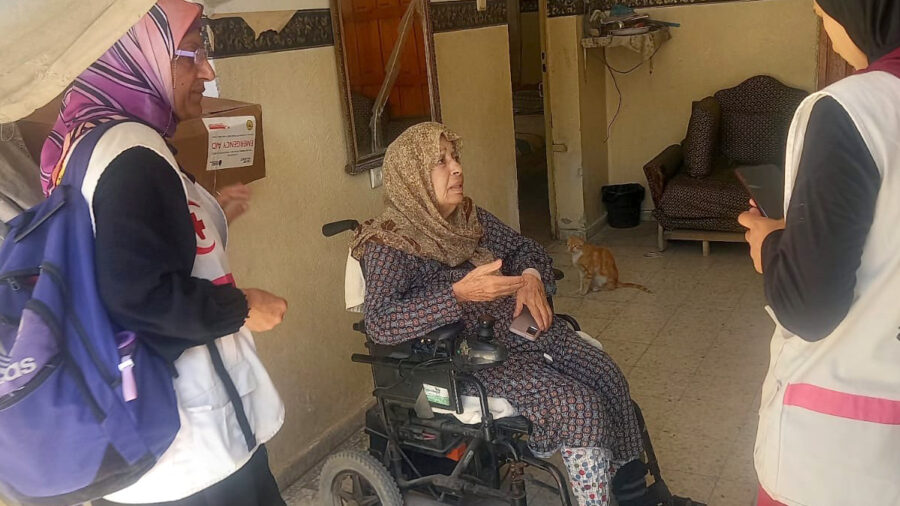
For 78-year-old Hind, life in Gaza has been a series of silent struggles. Confined to a wheelchair and living alone in a partially destroyed home, her world was turned upside by the ongoing Israeli genocide of Palestinians in Gaza.
When Amal, UPA’s Regional MEAL Manager, called to follow up on a recent clothing voucher distribution, she expected a routine conversation. What she didn’t expect was to uncover a story that revealed not only a dire need for necessities but also a profound yearning for human connection.
On the other end of the line, Hind’s voice was soft but unwavering. Friends had helped her redeem the clothing voucher, as she couldn’t go out herself. But there was so much more to her situation.
“I don’t have anyone—no children to help me. I can’t walk or get anything on my own. I need adult diapers, medications, and food,” Hind shared. Then, in a quieter tone, she added, “Thank you for calling me. I’m just so happy to have someone to talk to. I’ve lost everything. I wish someone could visit me, even if just to say hello.”
Amal listened closely, moved by Hind’s vulnerability. It was clear that her needs went beyond food and medication—she was suffering from profound isolation. Amal knew that immediate action was needed.
A Lifeline of Support
Without delay, Amal escalated Hind’s case to UPA’s Senior Director of Field Operations, and soon after, UPA’s mobile medical team in Gaza City was dispatched to her home. Although the team typically serves nearby communities, Hind’s disability had left her hidden from their reach—until now.
When the team arrived at her door, they brought adult diapers and a hygiene kit. UPA’s psychosocial workers spent time speaking with Hind, offering her emotional support and the promise of regular weekly visits to ease her isolation. The team is also working to secure the medications Hind desperately needs, alongside plans to deliver a food parcel.
Beyond Essentials: The Power of Human Connection
What started as a routine check-in became a lifeline for Hind. The impact of that single phone call runs deep—not only has Hind been connected to essential resources, but she has also found solace in knowing that she is no longer alone. The promise of regular visits from UPA’s team provides not just practical support, but the human connection she had longed for.
Hind’s story reminds us that, sometimes, the smallest gestures—a call, a visit, a listening ear—can make the most profound difference. UPA remains committed to providing both the tangible essentials and the emotional support needed to uplift the most vulnerable members of the Palestinian community.
Honoring Our Elders: UPA’s Commitment to International Day of Older Persons
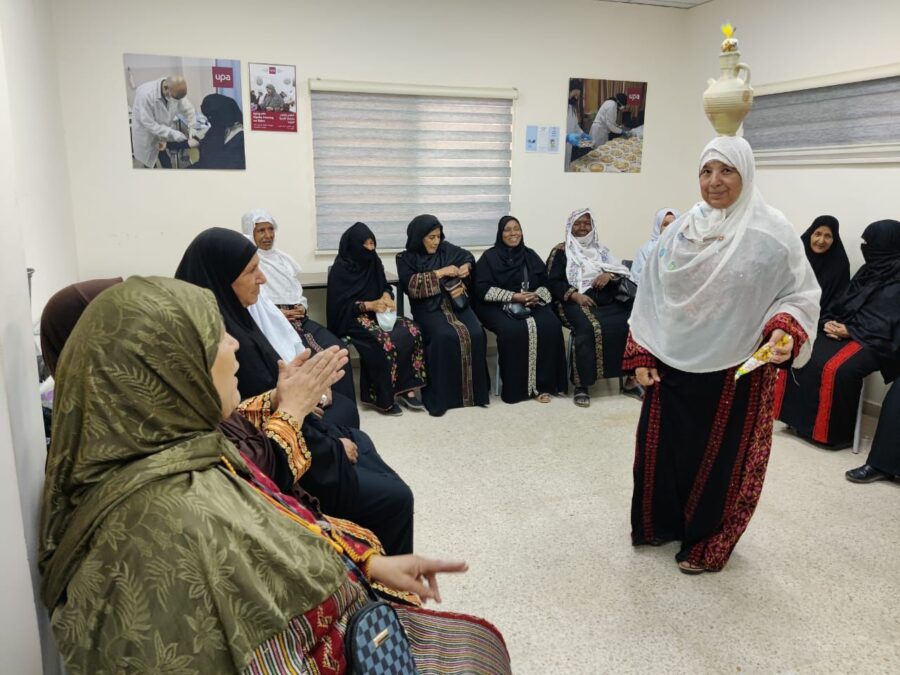
On this International Day of Older Persons, United Palestinian Appeal (UPA) honors the elders that we serve in Gaza, the West Bank, Lebanon, and Jordan.
The Situation of Palestinian Refugees in Lebanon
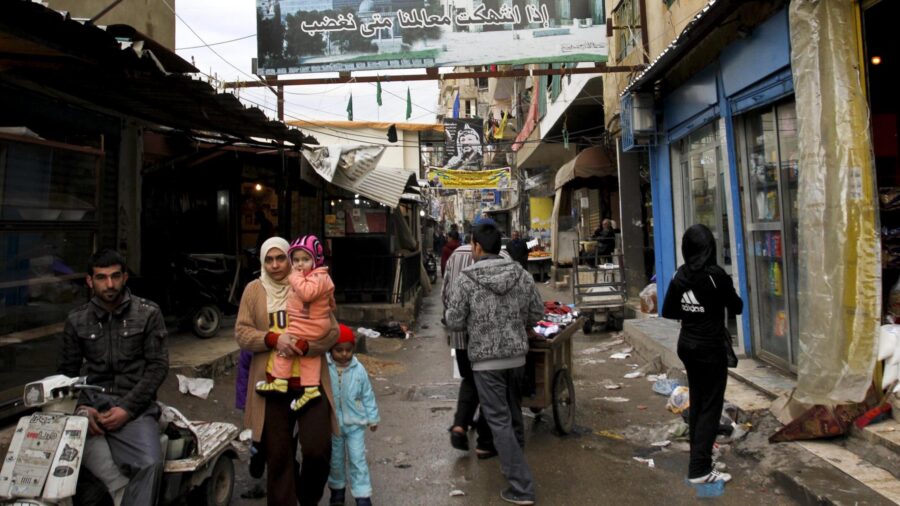
Since the Nakba in which Israel expelled over 750,000 Palestinians, Palestinians Refugees in Lebanon have faced a challenging existence marked by statelessness, marginalization, and economic hardship.
Masafer Yatta: The Palestinian Villages Facing Ethnic Cleansing
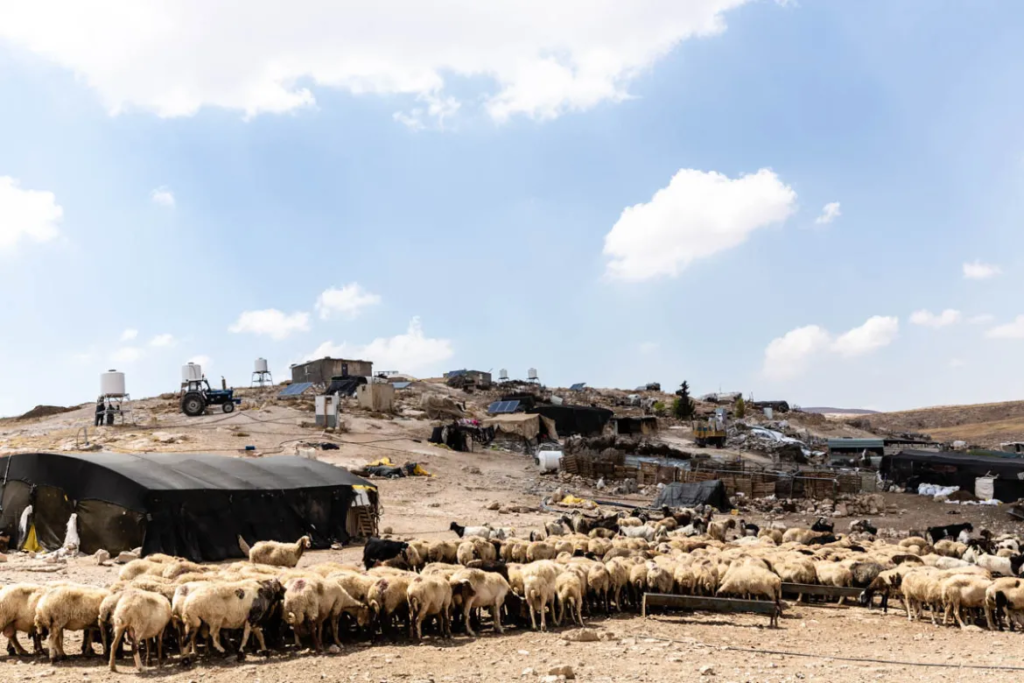
Image source: Al Jazeera
Masafer Yatta, a collection of Palestinian villages in the South Hebron Hills, is a region marked by its rugged beauty and the resilience of its people. This area faces ongoing challenges due to threats of displacement and ethnic cleansing by the Israeli army.
The Reality in Masafer Yatta
In the 1980s, the Israeli occupation designated Masafer Yatta as ‘Firing Zone 918’, a closed military zone. Since then, locals have faced the constant threat of forced eviction, demolition, and forcible transfer. As a result, the villages of Khirbet Sarura and Kharoubeh have been abandoned since 2000, when violent settlers drove the families out.
Palestinians in Masafer Yatta depend on farming and shepherding for their livelihoods, but attacks from Israeli settlers, under the protection of the army, make life increasingly difficult. They are prevented from building infrastructure and lack access to essential services like water, electricity, and paved roads.
Since October 7, the Israeli human rights organization B’Tselem reports that 13 herding communities in the region have been displaced due to settler violence.
Resilience and Hope
The resilience of Masafer Yatta’s residents is evident in their daily lives and their unwavering commitment to their land and heritage. Through the combined efforts of residents, international allies, and organizations like the United Palestinian Appeal (UPA), there is hope that the heritage and way of life in Masafer Yatta can be preserved for future generations.
UPA works on the ground to provide humanitarian assistance and support sustainable development projects for clean water access.